Net metering is the single concept that loses the most solar deals, and it is not because homeowners are slow. It is because reps explain it badly. They reach for jargon like "kilowatt-hour credits" and "true-up," the homeowner's eyes glaze, and confusion turns into a stall. A confused buyer never says yes.
The fix is not more technical detail. It is a simpler story. Here is how to explain net metering so it actually lands, and how to answer the questions that always follow.
What net metering actually is
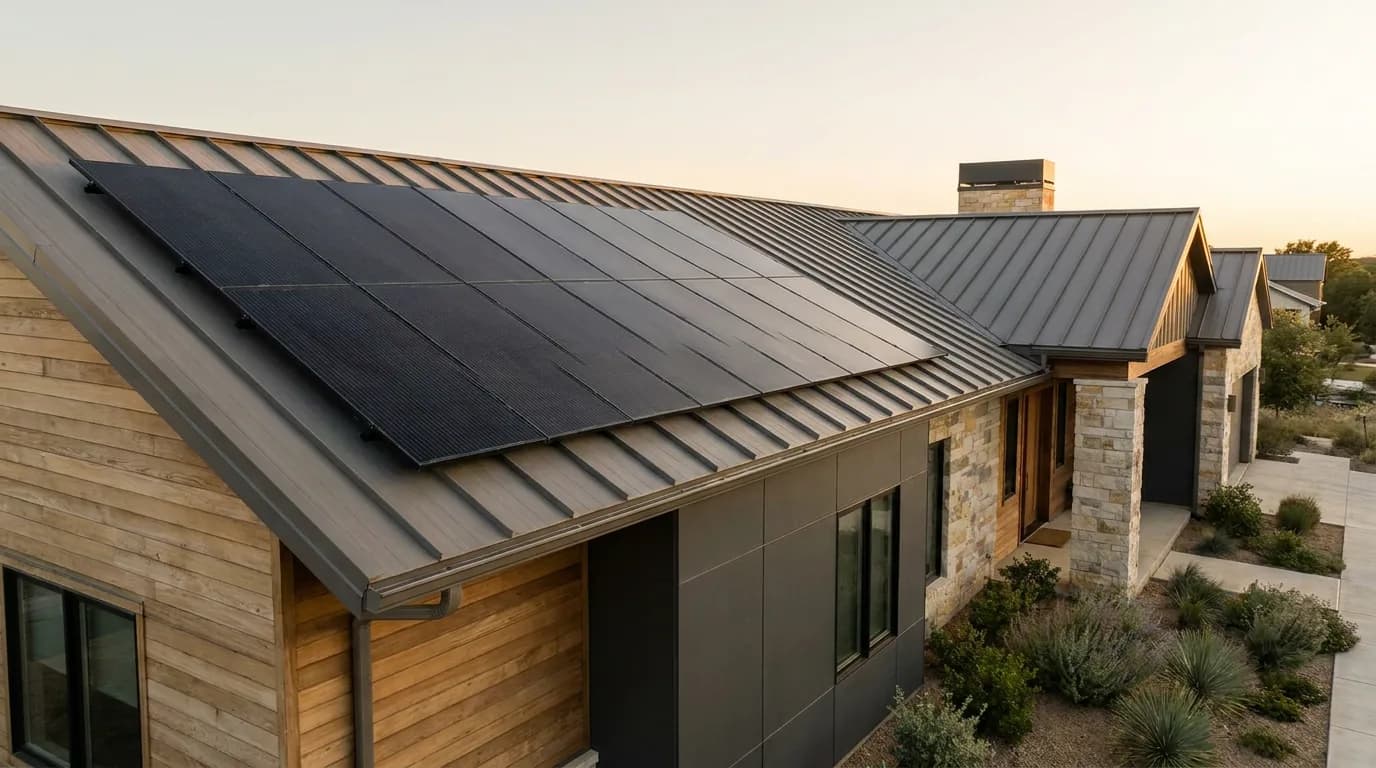
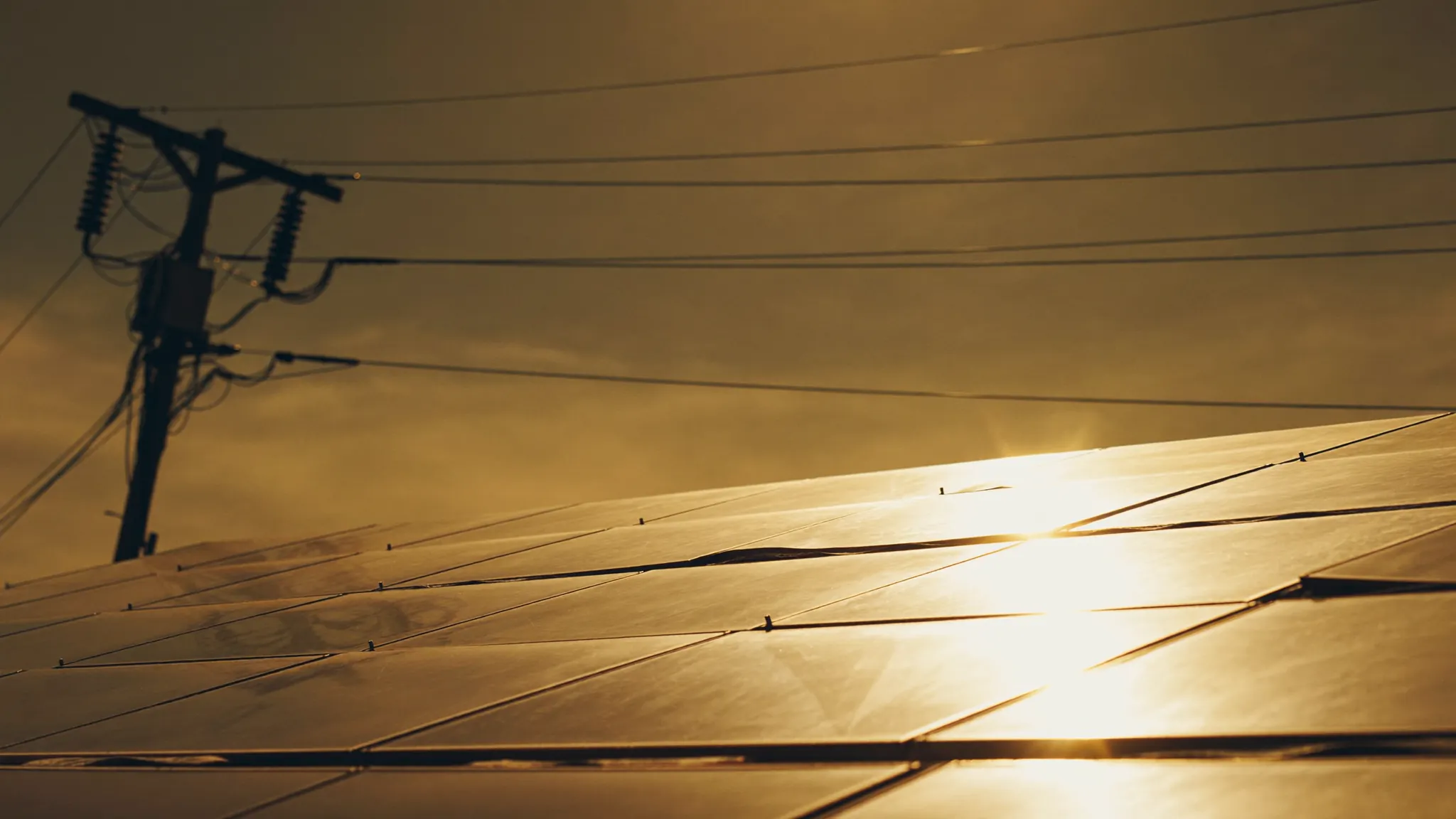
Net metering is the arrangement that lets a solar home send unused power back to the utility grid and get credit for it. Your panels produce the most in the middle of a sunny day, which is usually when nobody is home using it. That extra power flows out to the grid. Later, at night when the panels are asleep, you pull power back from the grid and your credits cover it.
That is the whole idea. The grid acts like a bank for your electricity. You deposit when you overproduce and withdraw when you need it.
The explanation to actually use at the door
Skip the engineering. Use the bank analogy, because everyone already understands a bank.
"Think of the grid like a checking account for power. On a sunny day your panels make more than you use, and the extra gets deposited with the utility. At night, when your panels aren't making anything, you withdraw from that balance. At the end of the month you only pay for the difference, the net. That's why it's called net metering."
Then make it concrete with their own life: "So your bill doesn't go to zero because you stopped using power at night. It goes down because the daytime you overproduced already paid for the nighttime you used."
Short, visual, no jargon. If you can say it in three sentences, you understand it. If you need five minutes, you will lose them.
Why the meter runs backward
Homeowners love this part, so use it. A standard meter counts power flowing in. With solar, when you push power out to the grid, the meter effectively counts backward. It is a satisfying, physical image that makes an abstract billing concept feel real. "Some folks literally watch their meter spin the other way on a sunny afternoon."
Address the three questions they always ask
"So do I still get a bill?"
Yes, and be straight about it. Almost every solar home still gets a utility bill, usually a small connection or service charge, even in a good month. Overpromising a zero bill is how reps create angry customers later. "You'll still get a bill, it's just usually a fraction of what you're paying now, plus a small fee to stay connected to the grid."
"What happens if I make more than I use?"
Explain rollover honestly. In most places, extra credits roll forward month to month, so a big summer builds a cushion for winter. Many utilities also do an annual reconciliation, sometimes called a true-up, where any leftover balance is settled. Do not promise a check. Policies vary a lot by state and utility, and reps who guarantee payouts get burned.
"Do I still have power if the grid goes down?"
This one surprises people, so get ahead of it. A standard grid-tied solar system shuts off during an outage for the safety of line workers, unless you have battery backup. Being honest here builds enormous trust, because it is the kind of thing a slick rep would hide. It also opens a natural, non-pushy conversation about batteries.
Be honest that the rules vary
Net metering policy is set at the state and utility level, and it has been changing, generally in a less generous direction. Some places credit at full retail rate, others at a lower rate, and older customers are sometimes grandfathered under better terms. Do not claim national rules you cannot back up. The honest line, which also creates real urgency, is: "The rules on this are set by your utility and they've been tightening, not loosening. What's available today is what I can show you."
That is genuine urgency, not a manufactured deadline, and it is exactly the honest framing that beats the solar is a scam objection.
Where explaining it goes wrong
The failure mode is not ignorance, it is over-explaining. A nervous rep tries to prove expertise, dumps every term they know, and buries the simple idea under detail. The homeowner nods politely and says they need to think about it, which is what people say when they are confused and do not want to admit it. That stall is covered in how to handle "I need to think about it".
Clarity is the skill. And saying a complex thing simply, out loud, under pressure, while a skeptical homeowner interrupts you, is much harder than it looks on paper.
Practice saying it out loud
Read the bank analogy above one more time. Now say it, out loud, from memory, in under thirty seconds. That gap between knowing it and saying it cleanly is exactly where deals are lost.
With ColdOpen, you can rehearse the net metering explanation against a live voice homeowner who interrupts with "so do I still get a bill?" and "what if the power goes out?", and get scored on whether you actually made it make sense. Practice the explanation in private until it is simple, and it stops being the thing that costs you the sale.