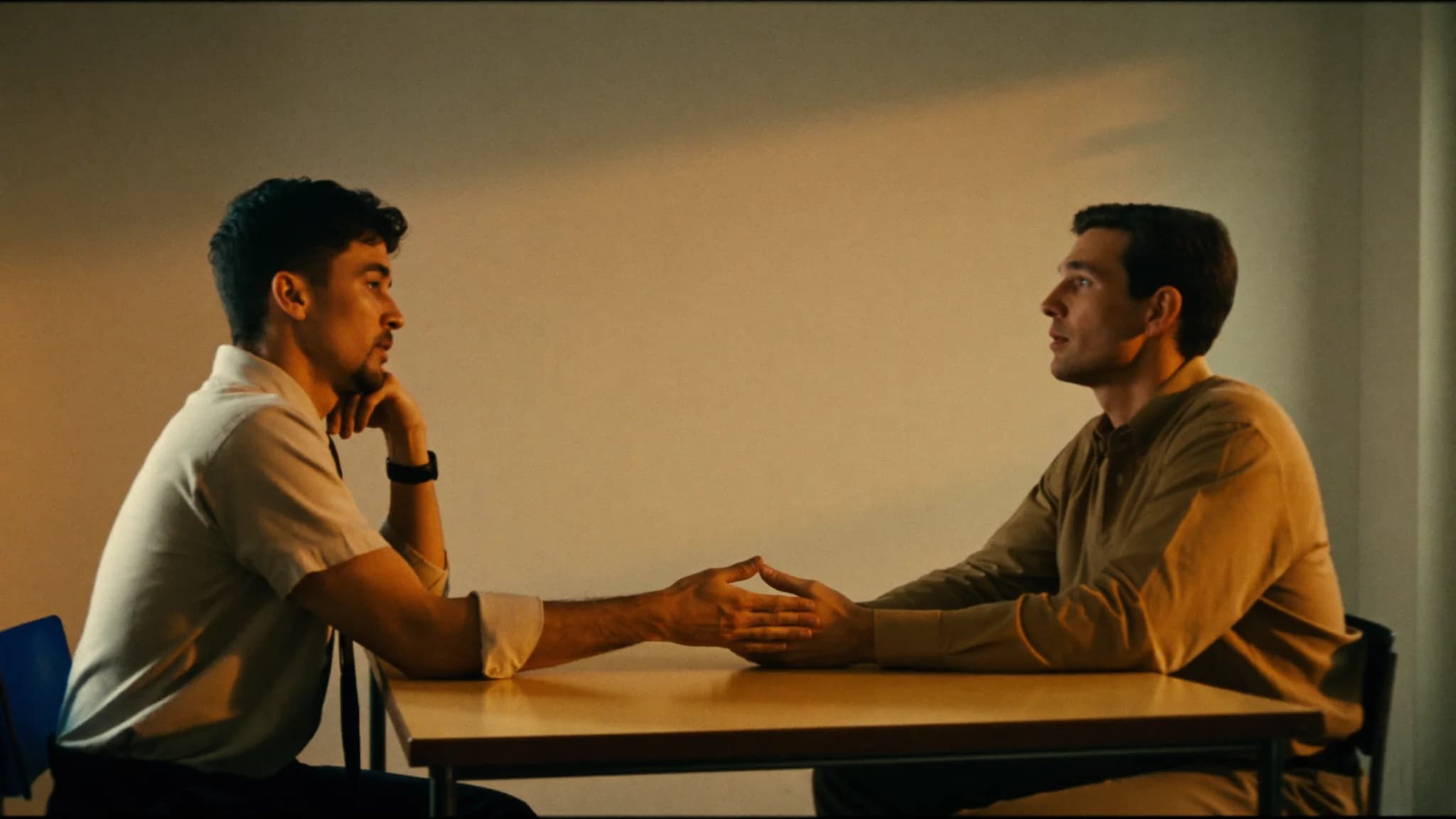
Ask a room of reps how they feel about roleplay and most will wince. Done badly, it is a public performance in front of the boss, awkward and high-stakes, so people hold back, dread it, and it quietly dies on the calendar. Done well, it is the single most effective way to build skill a team has. The difference is entirely in how the manager runs it. Here is how to run sessions reps actually get value from, and even look forward to.
Set the tone: practice, not performance
The first job is psychological safety. If reps feel judged, they play it safe and learn nothing. Open by framing the session as a lab, not a test. "This is where we get to fumble on purpose so we don't fumble in front of a real buyer." Model it yourself, take the hot seat first and let yourself be imperfect. When the manager is willing to look human, the room relaxes and the real work can start.
Have a clear objective for each session
Vague roleplay wanders. Pick one skill per session, the first ten seconds, price objections, the close, and drill that. A focused session where everyone runs the same objection five times builds far more than a scattered one that touches ten things once. Narrow and repeated beats broad and shallow, every time.
Use realistic, specific scenarios
Generic roleplay produces generic skill. Base scenarios on the objections and buyers your team actually faces this week, ideally pulled from real calls and real doors. Give the person playing the buyer a real character to play, a specific mood, a specific stall, so the rep has to react to something true. There is a ready set in 15 sales roleplay scenarios to start from.
Structure the session
A loose format keeps energy up and everyone involved. Brief the scenario and the objective. Run a tight rep, a few minutes, not a marathon. Debrief immediately while it is fresh. Then run it again with the feedback applied, because the second attempt is where the learning locks in. Rotate roles so reps also play the buyer, which builds empathy for how pushback actually feels. Keep reps short and cycles frequent.
Give feedback that reps can use
Feedback is where sessions live or die. Lead with what worked and be specific, "the way you paused before answering the price question was strong." Then give one, at most two, concrete things to change, not a laundry list that overwhelms. Make it behavioral and actionable, and hand it back to them to run again immediately. This is the same coaching discipline in coaching objection handling: specific, kind, and tied to a re-rep.
Make it frequent and low-friction
The fatal flaw of team roleplay is that it depends on scarce manager time, so it happens once a month, feels like an event, and never builds a habit. Short and frequent beats long and rare. Fifteen focused minutes a few times a week compounds, while a dreaded monthly hour does not. The teams that win treat practice like a daily rep, not a special occasion, closer to a fifteen-minute daily habit than a quarterly workshop.
Where AI fills the gap
Here is the honest constraint: a manager cannot be everywhere, and live roleplay eats time and creates social friction. That is exactly the gap voice AI fills. Reps can run rep after rep on their own, out loud, against a realistic buyer, and get objective scoring, while you save your live sessions for the high-context coaching only a human can do. It is not either-or, it is the balance covered in AI roleplay vs traditional roleplay.
With ColdOpen, your reps drill the daily volume against a live voice buyer between your sessions, so your team practice starts from sharper reps and your coaching time goes to judgment, not warm-ups. Run the human session for the nuance, let the reps get their volume out loud, and the whole team pulls ahead. If the reps you are running these sessions for are brand new, the complete sales rep onboarding guide shows where roleplay slots into the wider ramp program.