Rapport at the door is not about being liked. It is about lowering the guard fast enough to earn a real conversation. A stranger on the porch triggers a quick threat check, and until that check clears, nothing you say gets through. The good news: rapport is a skill, not a personality trait, and you can build it in the first thirty seconds if you stop doing the things that kill it.
What rapport actually is (and is not)
Rapport is the sense that you are safe, real, and not running a script. It is not forced friendliness, and it is definitely not the fake compliment. "Wow, beautiful home, is that a new car?" is not rapport. It is a tell that you want something, and homeowners read it instantly.
Real rapport comes from three things: relaxed body language, plain honesty, and genuine attention. None of them require charm.
Let your body talk first
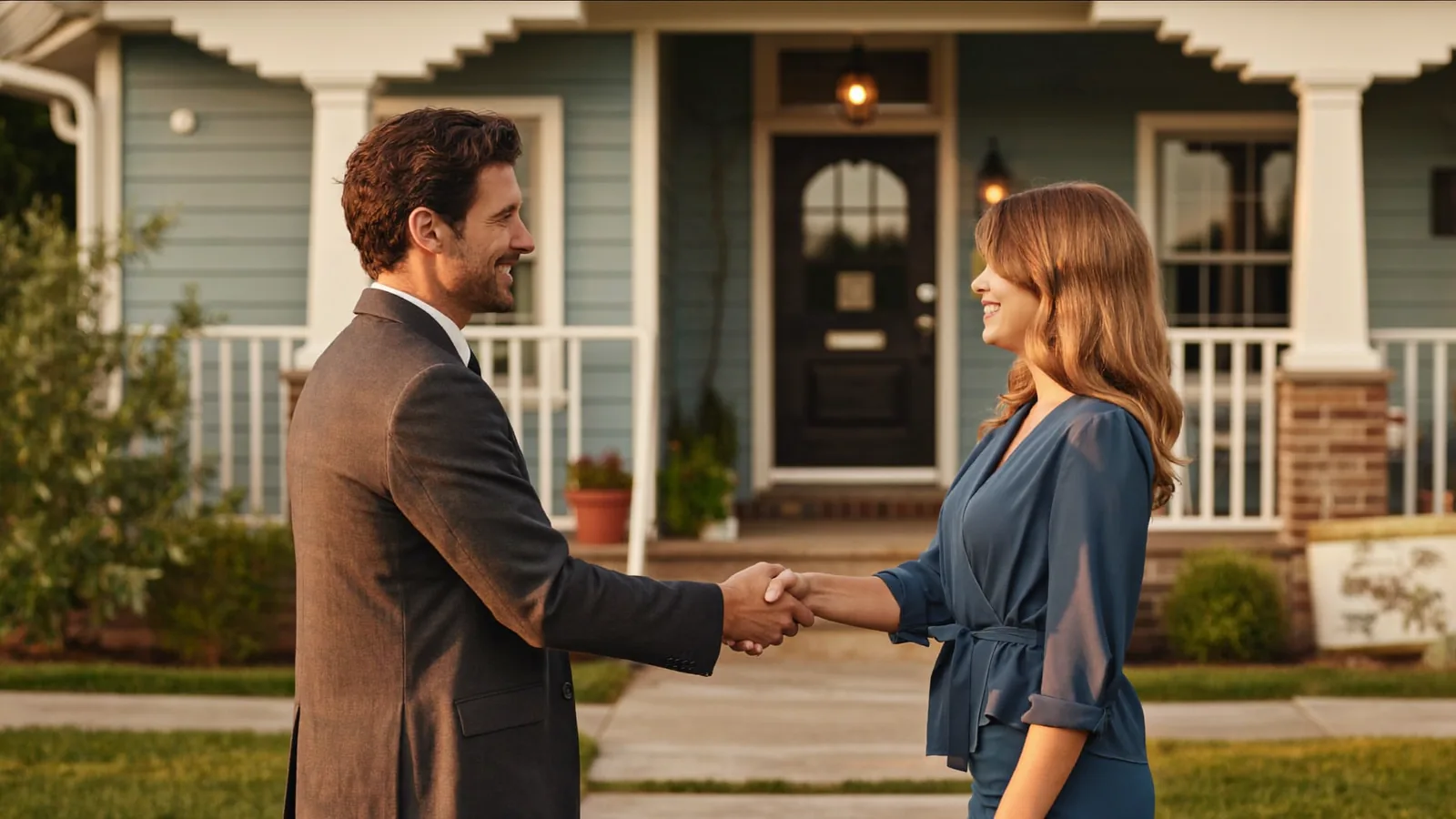
At the door, the homeowner reads your body before they hear a word. Stand at a slight angle instead of squared up, take a small step back from the threshold, keep your hands visible and relaxed. You are signaling you are not a threat and not about to force your way into their day.
A calm, slightly slower pace does more for trust than any opening line. Nervous energy reads as either danger or desperation, and both get the door closed. This is the physical half of winning the first ten seconds.
Lead with honesty, not a hook
The fastest trust-builder is admitting what you are. "I'll be honest, this is a sales call, I'm with a local crew working on your street." Naming it disarms the exact suspicion they are already feeling. You are being the one knocker today who did not pretend.
Counterintuitively, saying the awkward part out loud relaxes people. They were braced for a trick, and you did not run one.
Make it about them, specifically
Generic flattery fails. Specific, genuine observation works. If you noticed three homes on the street with the same issue you solve, say so. If they mention they just moved in, follow that thread for a second before pivoting. Attention is the compliment that lands, because it proves you are actually present, not reciting.
Ask a small, easy question and then actually listen to the answer. Rapport is built in how you respond to what they say, not in what you say first.
Match their energy
Read the person in front of you and meet them where they are. A chatty homeowner wants a beat of warmth before business. A busy one wants you to respect their time and get to it. Forcing bubbly small talk on someone who is clearly in a hurry destroys rapport instead of building it. Mirroring their pace and tone tells them, quietly, that you get it.
Transition without whiplash
Rapport that never turns into a conversation is just chit-chat. Once the guard is down, bridge gently into your reason for being there. "Anyway, I won't keep you standing here, the reason I stopped by is..." You keep the warmth and add a purpose, so the shift feels natural instead of like a switch flipping from friend to salesperson.
From there, the rest of the conversation, the objections and the close, all runs easier because you are no longer a stranger they are trying to get rid of. More field fundamentals are in door-to-door sales tips that close.
Rapport is a rep, not a gift
Some reps seem naturally warm, and it is tempting to think rapport cannot be trained. It can. The pacing, the honest open, the read on someone's energy, all improve with practice, and the awkward version should never debut on a real doorstep.
With ColdOpen, you can rehearse those opening seconds out loud against a guarded voice homeowner and get feedback on whether you actually lowered the guard, so the warm, grounded version of you is the one that shows up at the door.