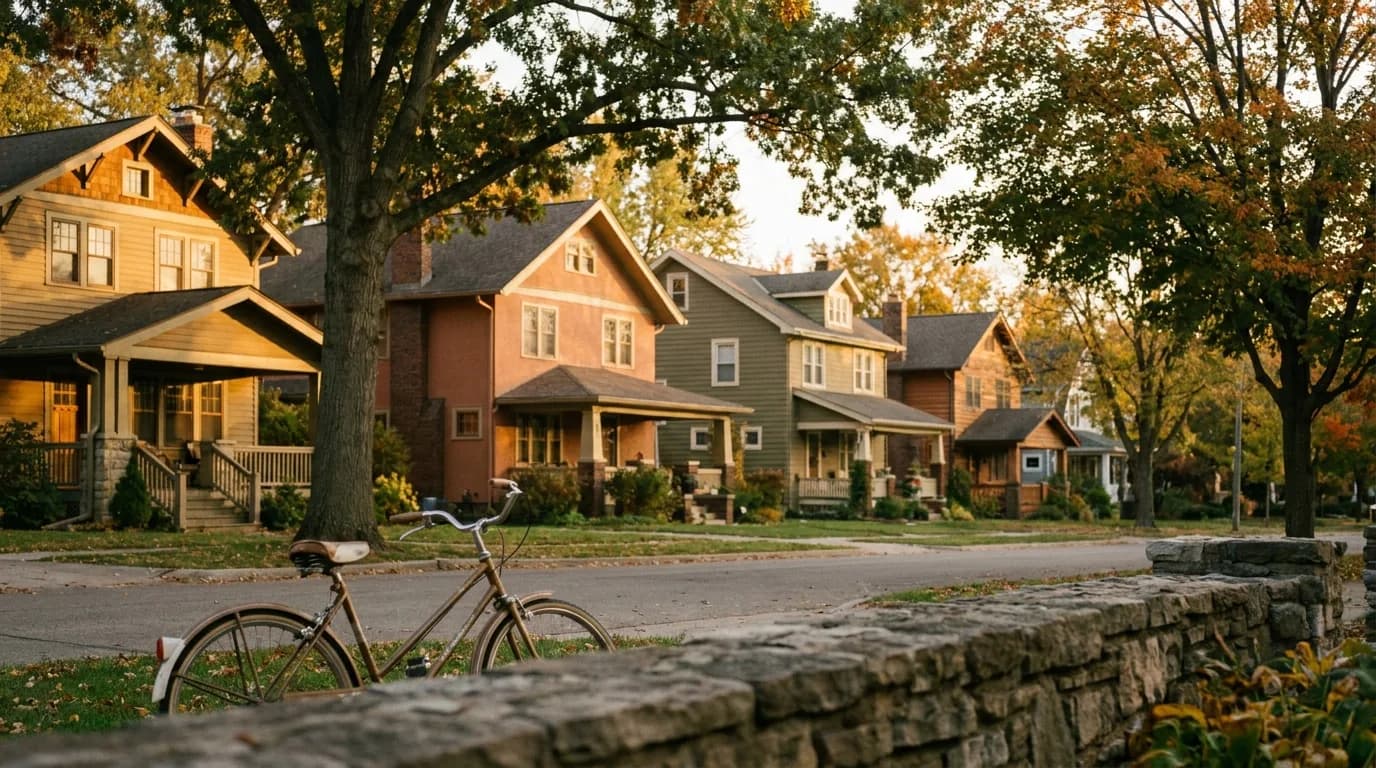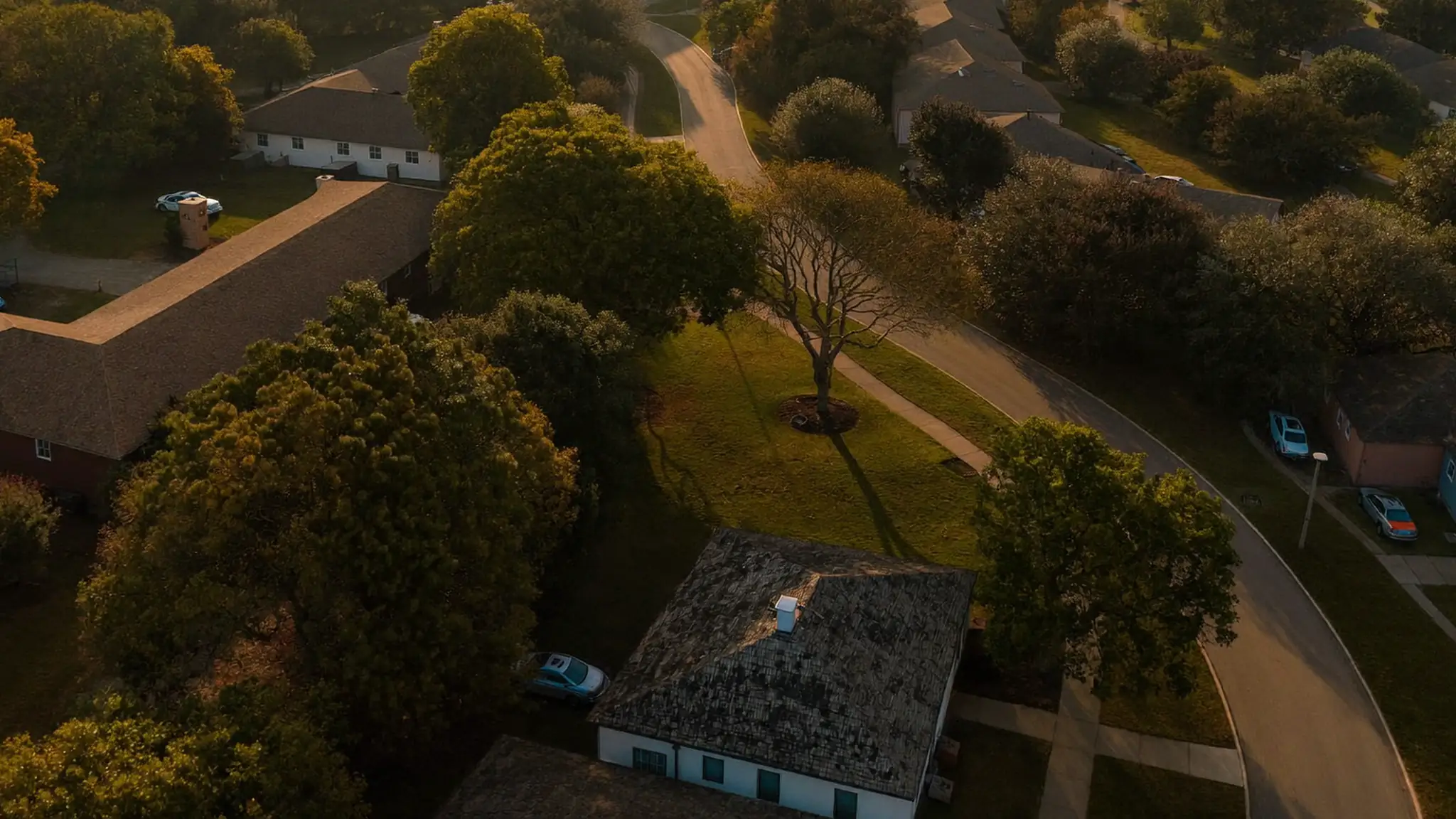
Two reps knock the same number of doors and one makes twice as much. Usually the difference is not the pitch. It is that one of them is working a territory and the other is wandering. Random knocking feels like hustle, but it wastes the single most valuable asset a field rep has, which is the compounding return of an area that knows you.
Here is how to actually work a territory instead of just being busy in it.
Pick an area, then commit to it
The instinct when things go slow is to bail and try a new neighborhood. That reflex is what keeps reps at zero. Every area has a warm-up cost, and if you leave before you pay it off, you are permanently paying the setup cost of new areas and never collecting the return.
Choose based on real signals: housing age and condition for your trade, homeowner versus renter mix, storm paths if you are in restoration, existing customers you can name nearby, and whether you can realistically cover it repeatedly. Then stay long enough for it to work.
Understand density beats distance
The best territory is not the biggest one. It is the one where doors are close together and you can name a neighbor. Tight density means more conversations per hour and far more social proof, because "I'm already doing three roofs on this street" is only true if you concentrated.
Spreading across town to chase one appointment burns your prime hours in a truck. Windshield time is the enemy. Every minute driving is a minute not talking.
Work it in passes, not one-and-done
A door is not dead because nobody answered. Most homes take multiple passes to ever produce a conversation, and the first pass is mostly reconnaissance.
Think in layers. First pass: get conversations, mark who is home, note the situations. Second pass: hit the not-homes at a different time of day, because a 5pm no-answer is a totally different house at 11am on Saturday. Third pass: work your callbacks and the maybes. Then keep circling.
The rep who knocks a street once and declares it dead did not work the street. They visited it.
Track your doors, or you are just guessing
This is the line between amateur and professional. If your territory data lives in your head, it is gone by Thursday. Use whatever you will actually use, an app, a map, a notebook, but capture the same things every time.
- Not home, and what time you tried
- Not interested, and whether it was a real no or a brush-off
- Callback, with the specific time and what they said
- Sold, so you can reference them and service them
- Anything human: the dog's name, the kid's game, the leak they mentioned
That last category is what turns a second visit into a relationship. "Hey, did you ever get that gutter sorted?" is not a sales line, it is proof you are a person who was actually there.
Read the neighborhood, not just the door
Territories have patterns. Same builder means same roof age and the same problems. Same era means the same wiring, the same windows, the same pest pressure. If you sold one house on a street, the houses beside it are probably candidates for the identical reason, and you can say so honestly.
Use the map. Work outward from every sale, because proximity plus proof is the strongest combination in field sales. That is also where referrals compound fastest, since neighbors actually talk to each other.
Time your passes to the area
Territory and timing are the same problem. A street full of retirees has a completely different prime window than a young-family street, and a work-from-home block is different again. Learn the rhythm of your specific area, then match your route to it rather than knocking whatever is in front of you. The full breakdown is in the best time of day to knock doors.
Farm it, do not strip-mine it
The reps who make the most money treat a territory like farmland. They service what they sell, they knock the neighbors after every install, they show up in the same streets for years, and eventually the area works for them. People recognize the truck. Somebody says "oh, you did the Hendersons' roof."
Strip-mining, blasting a neighborhood, overselling, and moving on, works for exactly one season, and then you have burned an area you can never return to. Reputation is a territory asset. Guard it.
Know when to leave
Commitment is not stubbornness. If the area genuinely does not fit the product, income does not match the price, or another company has it locked with real loyalty, move. Just make that a decision based on your tracked data, not on a bad Tuesday. Two bad days is weather. Two bad months is information.
The compounding part
A worked territory pays you long after the knock. Service calls turn into referrals, referrals turn into clusters, clusters make the next knock easier, and eventually you are not cold-calling a neighborhood, you are checking in on one. That flywheel is a real piece of how top reps earn six figures without knocking more doors than everyone else.
Sharpen the pitch you bring to it
A great territory strategy still dies at the door if the conversation falls apart. The point of working an area well is that you get more real conversations, which only pays if you are ready for them.
Territory software answers where to knock and what happened. It does not answer whether the rep is ready when the door opens, and what SalesRabbit and SPOTIO do and do not cover goes through that gap feature by feature.
With ColdOpen, you can use the slow stretches between passes to drill the open and the objections out loud against a live voice buyer, so every extra conversation your territory earns you actually converts.